


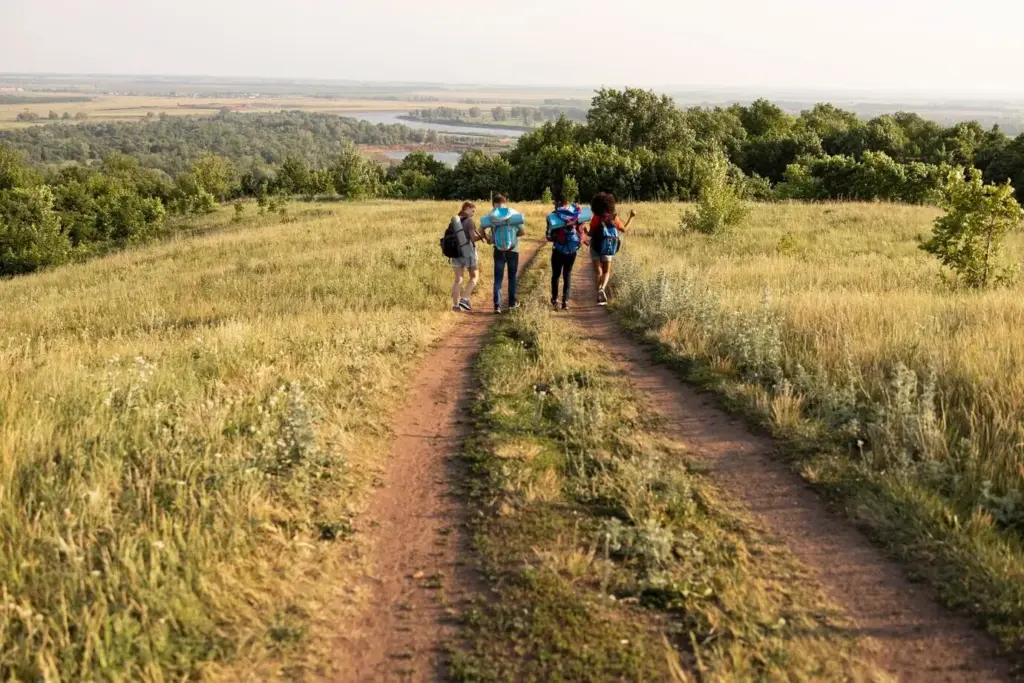


Station-to-Trail Connections That Actually Work
Seek wayfinding that continues beyond the platform: clear signage, well-marked shuttle bays, and posted transit maps at visitor centers. When paths parallel streams or meadows, embrace a gentle warm-up stroll rather than sprinting. Ask rangers about lesser-used stops that shorten distances without sacrificing scenery. These thoughtful links transform logistics into part of the experience, inviting you to notice birdsong, seasonal blooms, and changes in light along the journey.
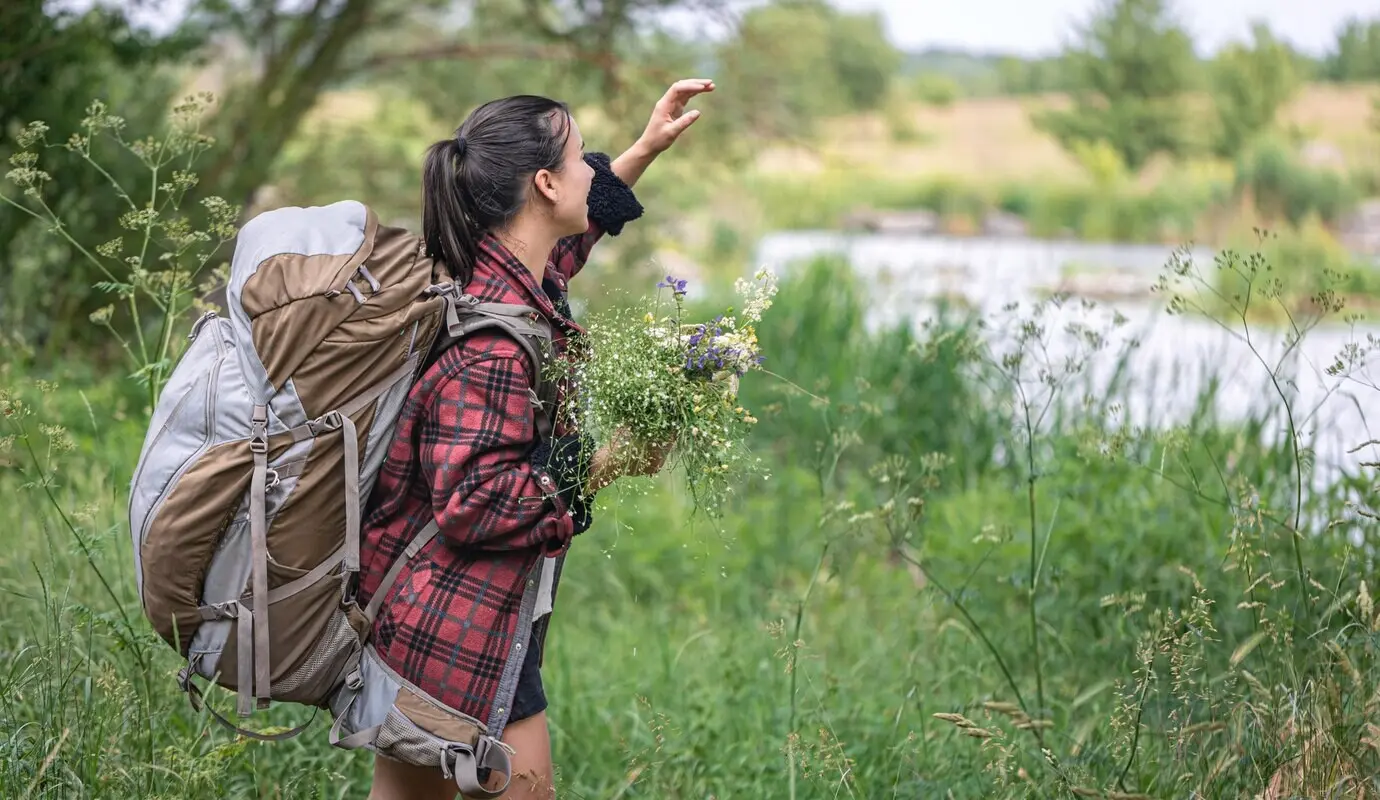
Managing Gear Without a Trunk
Pack agile. Choose a comfortable daypack, compress layers, and prioritize multi-use items: a scarf that becomes sunshade, trekking poles that stabilize and stow easily. Use stuff sacks, attach water bottles externally only if permitted, and consider lockers at transport hubs. A tidy, organized kit wins smiles from drivers and fellow passengers, speeds boarding, and keeps your essentials accessible when a stunning view unexpectedly demands your camera.

Accessibility for All Adventurers
Public transport can expand access when services and trails align thoughtfully. Review shuttle accessibility features, ramp availability, and priority seating. Consult park accessibility guides for surface types, gradients, and restroom locations. Communicate needs kindly with drivers and rangers who often know practical shortcuts. When planning empowers wheelchair users, families with strollers, and travelers with sensory considerations, the entire journey becomes more welcoming, inclusive, and beautifully possible.